
Shower Tile Installation in Naples Florida
Why Shower Tile Is Different From Other Tile Work
A backsplash or a floor receives occasional moisture. A shower receives water every day. The tile and grout themselves are water-resistant, not waterproof. Water vapor and liquid water will penetrate grout joints and tile edges over time. What stops that water from reaching the wall framing and the floor structure is the waterproofing layer beneath the tile, along with proper slope and drainage at the shower pan.
A shower can see thousands of gallons of water per year. Without a continuous waterproofing membrane, moisture reaches the studs, insulation, and subfloor. The damage is rarely visible until it has spread: soft drywall, musty odors, mold behind the tile, or a shower pan that has begun to leak into the ceiling below. Correcting that kind of failure often costs far more than the original installation.
For Naples Florida homeowners considering a bathroom remodeling project, this is the single most important distinction between a cosmetic update and a durable one. A beautiful tile pattern over a compromised substrate is a temporary fix.
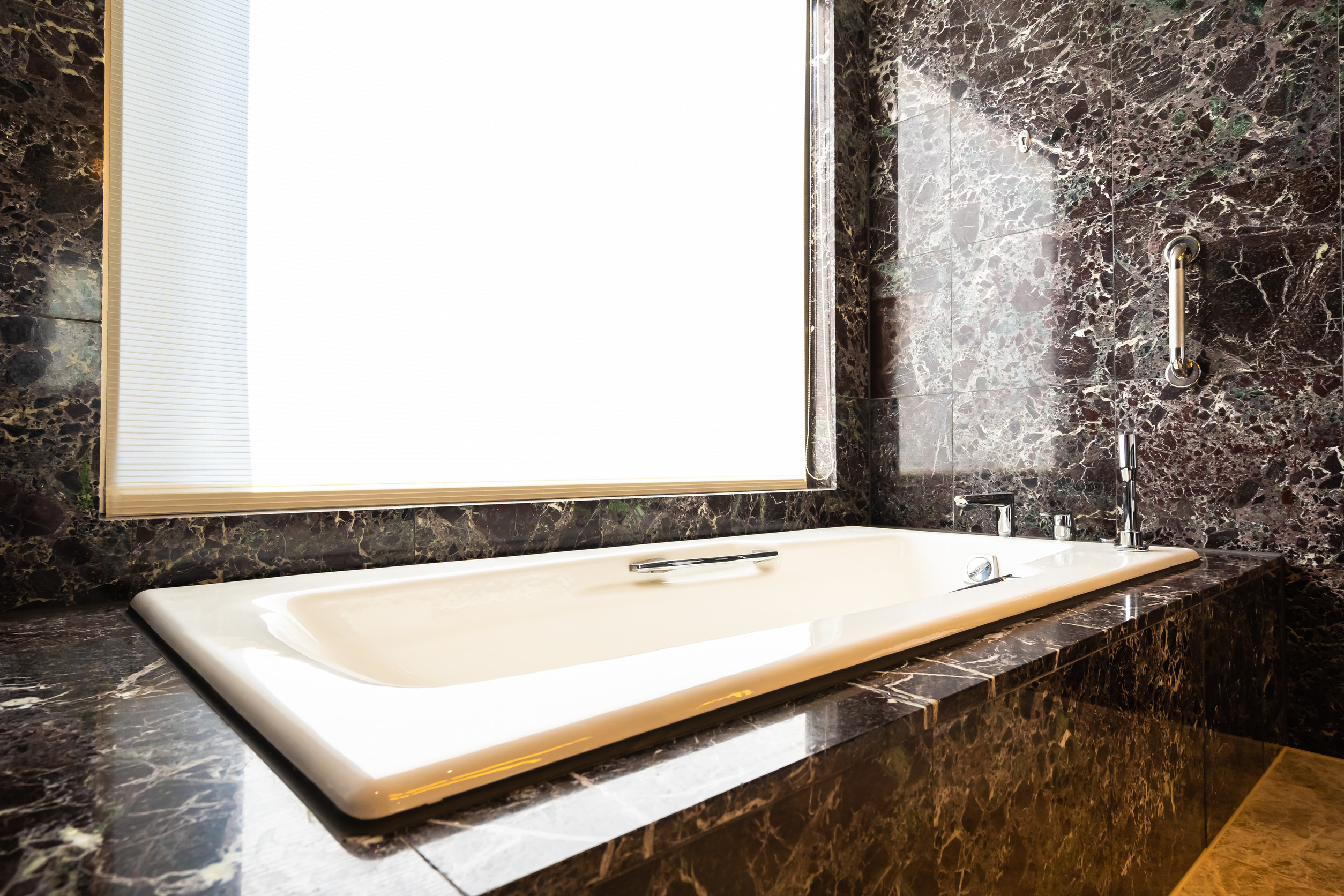
What a Proper Shower Tile Installation Includes
A professional shower tile installation is a sequence of steps, not a single day of setting tile. The scope typically includes the following stages.
Demolition and inspection. Removing old tile, backer board, and any damaged substrate reveals the condition of the framing and the shower pan. This is the point where hidden water damage or prior installation errors become visible. In older homes, demolition sometimes reveals past repairs or aging plumbing that affect the scope of work.
Substrate preparation. The walls and shower floor need a stable, flat, and plumb surface. Cement backer board or a foam board system is installed and fastened correctly. Low spots are patched, high spots are addressed, and the substrate is checked for flatness before any waterproofing goes down.
Waterproofing. This is the critical layer. A waterproofing membrane—either a sheet membrane or a liquid-applied coating—is installed over the substrate and integrated with the shower pan and drain. Seams, corners, niches, and plumbing penetrations are treated with reinforcing tape and sealant. The waterproofing must be continuous and compatible with the drain assembly.
Layout planning. Before any tile is set, the installer plans where full tiles and cuts will land. This is especially important around niches, benches, plumbing fixtures, and the shower opening. Balanced cuts and thoughtful placement make the difference between a professional-looking shower and one that looks pieced together.
Tile setting. Wall tile and floor tile are installed with the appropriate thinset for the tile type and substrate. Coverage matters; voids behind tile can lead to cracking or loose pieces. Lippage—uneven tile edges—is checked continuously, especially with large-format tile.
Grouting and sealing. After the thinset cures, grout is applied. Changes of plane (corners, wall-to-floor junctions) should receive flexible sealant rather than rigid grout, because movement in those areas causes cracking. Cement grout is porous and needs a penetrating sealer; epoxy grout does not require sealing but is more expensive and more difficult to work with.
If your Naples Florida project also includes new flooring installation or custom cabinetry, coordinating the shower work with the rest of the bathroom sequence matters. Vanity installation, glass shower doors, and plumbing trim typically follow the tile work.


Tile Selection for Naples Florida Shower Walls and Floors
The tile you choose affects both the look of the shower and how well it performs. Porcelain and ceramic are the most common choices for shower walls. Porcelain has very low water absorption and is highly durable, making it suitable for both walls and floors. Ceramic is budget-friendly and works well on walls with proper waterproofing, though it is less dense than porcelain.
Natural stone—marble, travertine, slate—offers a distinct look but requires more maintenance. Stone is porous, needs sealing every six to twelve months, and demands excellent waterproofing because the stone itself will absorb water. For homeowners who want the look of stone without the maintenance, marble flooring installation alternatives and stone-look porcelain are worth considering.
Shower floors have a separate requirement: slip resistance. Wall tile is often polished or smooth, which would be dangerous underfoot. Floor tile in a wet area should have a coefficient of friction rating suitable for wet conditions. Smaller-format tile—mosaic sheets, penny round, pebble—provides natural grip through the density of grout joints and is easier to slope toward the drain.
For a cohesive look, many Naples Florida homeowners use the same tile family on walls and floors but choose a matte or textured finish for the floor. If you are also updating the vanity area, quartz countertops or granite countertops coordinate well with most tile palettes.

What Affects the Scope of Shower Tile Work in Naples Florida
Shower tile is typically priced higher per square foot than floor tile because the work is more detailed. A small shower wall has proportionally more cuts, corners, niche edges, and fixture penetrations than a large open floor. The prep and waterproofing also add labor that is not visible in the finished product.
The main factors that affect the scope of a shower tile project in the Naples Florida area include:
The condition of what is underneath. If the old shower was installed correctly and the substrate is sound, the scope is more predictable. If there is water damage, mold, or a failed pan, the repair work expands. This is not always known until demolition.
The waterproofing method. A sheet membrane system and a liquid-applied system require different labor and material costs. The method should match the shower construction and the installer’s experience.
Tile size and format. Large-format tile requires a flatter substrate and more careful handling to avoid lippage. Small mosaic tile on the shower floor takes more time to set. Patterns like herringbone add cutting and layout time.
Niches, benches, and shelves. Built-in features add complexity. A recessed niche requires framing, waterproofing detail, and careful tile cuts. A bench adds surface area and drainage considerations.
Glass and trim. If the shower includes a glass enclosure, the tile edges at the opening and curb need to be finished cleanly. Metal trim or bullnose pieces affect both appearance and cost.
Removal and disposal. Tearing out an old shower produces debris that must be hauled away. The condition of the old installation affects how much labor the removal requires.
For a realistic estimate, the most reliable path is an on-site assessment.
Questions to Ask Before Hiring a Naples Florida Shower Tile Installer
Shower tile is not the place to hire the lowest bid without understanding what is included. A few practical questions will help you separate a professional installation from a risky one.
What waterproofing system do you use? A qualified installer should be able to name the system (sheet membrane, liquid membrane, foam board with integrated waterproofing) and explain how it integrates with the drain. Vague answers about “cement board is waterproof” are warning signs. Cement board is not waterproof on its own.
Who handles the shower pan? The pan is the sloped floor assembly that directs water to the drain. It must be built or installed correctly. If the installer does not handle pan construction or waterproofing, clarify who does and how the work is coordinated.
What is your experience with this type of tile? An installer who is skilled with standard ceramic subway tile may not have the same experience with large-format porcelain, natural stone, or mosaic shower floors. Ask to see completed shower projects, not just floor installations.
What is included in the quote? Confirm whether the quote covers demolition, substrate prep, waterproofing, tile setting, grout, sealing, and cleanup. A low quote that excludes waterproofing is not a comparable quote.
How long will the shower be out of use? Tile work involves cure times for thinset, grout, and sealant. A realistic timeline accounts for these, not just the days of active installation.
For broader bathroom updates in Naples Florida, the same coordination applies to shower tile installation alongside bathroom remodeling, vanity countertop installation, and flooring replacement.
Maintaining a Tiled Shower in Naples Florida
A properly installed shower still requires some care. Grout lines should be cleaned regularly with a mild cleaner and a soft brush; acidic cleaners can degrade cement grout over time. Keep the shower ventilated to reduce moisture lingering on surfaces, which matters in Naples Florida’s humid climate. If the shower has a cement grout, apply a penetrating sealer periodically according to the sealer manufacturer’s recommendations. Epoxy grout does not require sealing but still benefits from regular cleaning.
Watch for signs of trouble: grout that crumbles or falls out, caulk that pulls away from corners, tile that sounds hollow when tapped, or persistent musty odors. These can indicate moisture where it should not be. Addressing small issues early is far less expensive than repairing a failed shower assembly.
Area We Serve
Robert’s Flooring provides shower tile installation and related bathroom remodeling services across Southwest Florida. Our primary service areas are concentrated in Collier County, with availability extending into Lee County and surrounding communities. If you are unsure whether your address falls within our service area, contact us to confirm.
Collier County
Lee County & Surrounding Areas
Frequently Asked Questions
How long does a shower tile installation take in Naples Florida?
For a standard shower, the active installation typically spans several days, but the full timeline from demolition to first use is longer because of waterproofing cure times and grout cure times. A realistic range for a complete shower tile project is often one to two weeks depending on scope, tile type, and scheduling. Your installer can give you a more specific timeline after assessing the shower.
Can I tile over my existing shower tile?
It is technically possible, but it is generally not recommended. Tiling over existing tile adds thickness that can create problems at the shower valve, door frame, and edges. More importantly, you cannot inspect what is behind the old tile. If there is moisture damage or a failing waterproofing layer, covering it traps the problem. A proper shower renovation typically involves removing the old tile and substrate.
Do I need a waterproofing membrane behind shower tile?
Yes. Tile and grout are not waterproof. A continuous waterproofing membrane is what protects the wall cavity and framing from moisture. Cement backer board is water-resistant but not a waterproof barrier on its own. The waterproofing system must be installed according to the manufacturer’s instructions and integrated with the shower pan and drain.
What is the best tile for a shower floor?
Smaller-format tile with a slip-resistant finish is generally the best choice for a shower floor. Mosaic sheets, penny round, and pebble tile provide more grout lines for grip and are easier to slope toward the drain. Large-format smooth tile on a shower floor can be slippery and is difficult to install with proper drainage slope. Check the tile’s coefficient of friction rating for wet areas.
How much does shower tile installation cost in Naples Florida?
Costs vary based on the size of the shower, the tile selected, the condition of the existing shower, and the complexity of the installation. Nationally, shower tile labor often ranges from roughly $15 to $25 per square foot for ceramic or porcelain, with natural stone and mosaic at the higher end, plus materials and waterproofing. These are general ranges; a local quote is the only reliable way to know what your Naples Florida project will cost.

Ready for a New Look?
- Flooring Sales & Installation • Restretch • Repair
- Carpet • Stone • Tile • Porcelain • Marble • Vinyl • Hardwood
- Luxury Vinyl Plank (LVP) Waterproof Flooring
- Remodeling • Renovation • Restoration

ALL MAJOR CREDIT CARDS ACCEPTED
PROUDLY REPRESENTING THESE FINE MANUFACTURERS


